近期,香港萬寶盛華大中華發布的2026年第一季就業展望調查報告引發關注。數據顯示,香港就業展望指數僅為+2%,不僅較上一季下降,更遠低於全球平均的+24%。其中,29%的雇主計劃在未來三個月縮減人手。這背後,反映出企業在經濟不確定性與技術革新下的保守態度。
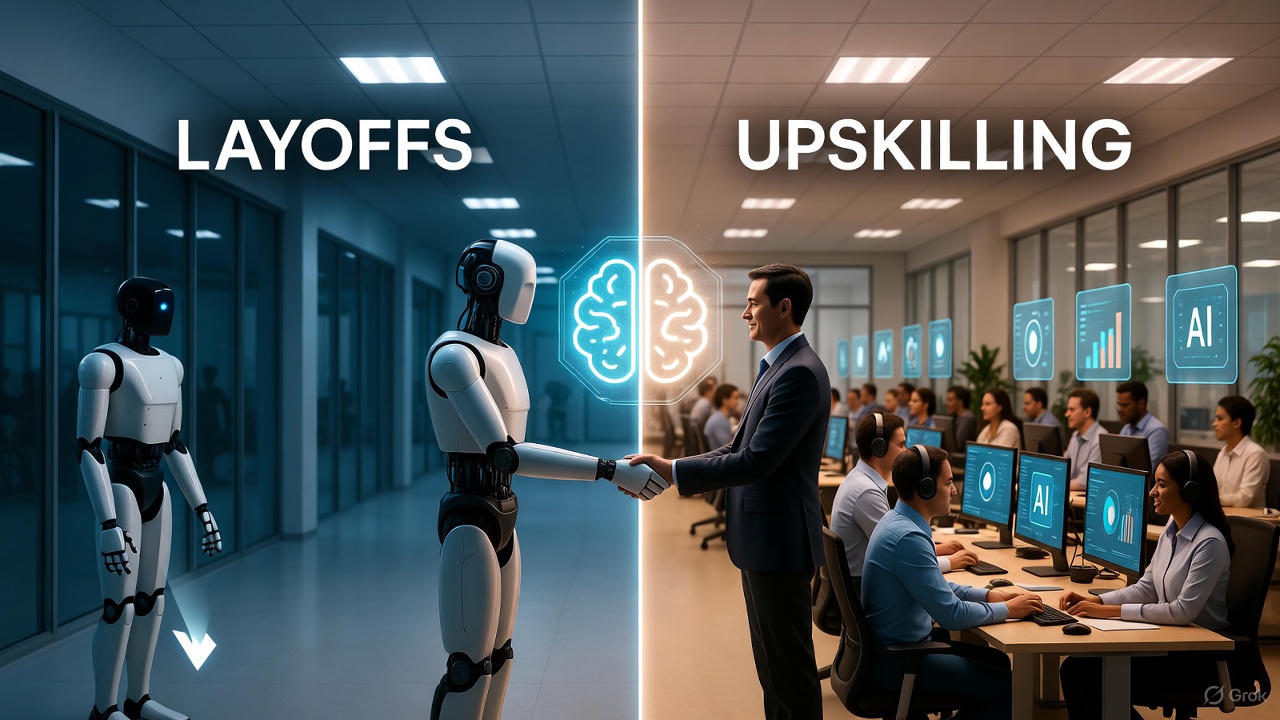
圖:企業面對AI技術應選擇培訓而非裁員的策略對比
香港就業展望指數 vs 全球平均+24%
AI引發的結構性質變
香港的專業科學技術業正經歷由AI主導的結構性質變。隨著AI在文件處理、數據分析等領域的應用,傳統工作模式被重塑。行業專家指出,這種"展望轉弱"更多是結構性調整的結果。企業正重新定義崗位,這過程自然伴隨著招聘放緩甚至人員縮減。
分析指出:
部分行業廣泛採用AI技術,導致行政支援等基層職位需求下降。
國際視角下的不同選擇
與裁員的擔憂相反,更多企業選擇培訓。香港生產力促進局(HKPC)2025年的調查顯示,高達88%的受訪企業員工已在日常工作中使用AI工具。然而,缺乏AI專業知識和培訓仍是企業推動AI的最大障礙。這凸顯了"培訓"而非"替換"員工的迫切性。
受訪企業員工已在日常工作中使用AI工具
企業的轉型之道:培訓與文化
明智的企業策略是將AI視為提升生產力的夥伴。有效的內部培訓至關重要:
- 分層培訓:對基層員工,重點是AI工具操作;對管理者,需學習重構AI時代的工作流程。
- 建立持續學習文化:在AI時代,技能生命周期縮短,持續學習是保持競爭力的關鍵。
HKPC建議企業實施"一企業一AI教練"等計劃,並建立評估AI投資回報的機制,以實現可持續影響。
HKPC建議框架:
"三個方向,八項行動"包括"一企業一AI教練"計劃,為企業的具體行動提供了框架參考。
結語
在技術變革中,選擇培養員工駕馭AI技能的企業,正在構建難以被模仿的長期優勢。真正的挑戰不在於用AI替代員工,而在於建立人機協同的新型工作模式。面對未來,投資於人的技能升級,才是通往增長最穩健的道路。
分享此文章
近期,香港万宝盛华大中华发布的2026年第一季就业展望调查报告引发关注。数据显示,香港就业展望指数仅为+2%,不仅较上一季下降,更远低于全球平均的+24%。其中,29%的雇主计划在未来三个月缩减人手。这背后,反映出企业在经济不确定性与技术革新下的保守态度。
图:企业面对AI技术应选择培训而非裁员的策略对比
香港就业展望指数 vs 全球平均+24%
AI引发的结构性质变
香港的专业科学技术业正经历由AI主导的结构性质变。随着AI在文件处理、数据分析等领域的应用,传统工作模式被重塑。行业专家指出,这种"展望转弱"更多是结构性调整的结果。企业正重新定义岗位,这过程自然伴随着招聘放缓甚至人员缩减。
分析指出:
部分行业广泛采用AI技术,导致行政支援等基层职位需求下降。
国际视角下的不同选择
与裁员的担忧相反,更多企业选择培训。香港生产力促进局(HKPC)2025年的调查显示,高达88%的受访企业员工已在日常工作中使用AI工具。然而,缺乏AI专业知识和培训仍是企业推动AI的最大障碍。这凸显了"培训"而非"替换"员工的迫切性。
受访企业员工已在日常工作中使用AI工具
企业的转型之道:培训与文化
明智的企业策略是将AI视为提升生产力的伙伴。有效的内部培训至关重要:
- 分层培训:对基层员工,重点是AI工具操作;对管理者,需学习重构AI时代的工作流程。
- 建立持续学习文化:在AI时代,技能生命周期缩短,持续学习是保持竞争力的关键。
HKPC建议企业实施"一企业一AI教练"等计划,并建立评估AI投资回报的机制,以实现可持续影响。
HKPC建议框架:
"三个方向,八项行动"包括"一企业一AI教练"计划,为企业的具体行动提供了框架参考。
结语
在技术变革中,选择培养员工驾驭AI技能的企业,正在构建难以被模仿的长期优势。真正的挑战不在于用AI替代员工,而在于建立人机协同的新型工作模式。面对未来,投资于人的技能升级,才是通往增长最稳健的道路。
分享此文章
A recent ManpowerGroup Employment Outlook Survey for Q1 2026 has drawn attention in Hong Kong. The data reveals a local employment outlook index of just +2%, not only a decrease from the previous quarter but also significantly lower than the global average of +24%. Notably, 29% of employers plan to reduce staff in the coming three months.
Figure: Strategic comparison showing companies should choose training over layoffs when facing AI technology
Hong Kong Employment Outlook vs Global Average +24%
The Structural Shift Driven by AI
Hong Kong's professional, scientific, and technical sector is undergoing an AI-led structural transformation. As AI is applied to document drafting, data analysis, and more, traditional work models are being reshaped. Industry experts note that this "weakening outlook" is more a result of structural adjustment. As companies redefine roles, a slowdown in hiring or even staff reduction is a natural part of this transition.
Analysis indicates:
The widespread adoption of AI in certain sectors is reducing demand for entry-level positions such as administrative support.
A Different Choice from the Global Perspective
Contrary to job displacement fears, more companies are opting for upskilling. A 2025 survey by the Hong Kong Productivity Council (HKPC) found that a striking 88% of employees in surveyed companies already use AI tools in their daily work. However, a lack of AI expertise and training remains the top challenge for enterprises in deploying AI. This highlights the urgency of "upskilling" staff rather than simply "replacing" them.
of surveyed company employees already use AI tools in daily work
The Corporate Transformation Path: Training and Culture
A wise corporate strategy views AI as a partner for boosting productivity. Effective internal training is crucial:
- Tiered Training: Focus on AI tool operation for frontline staff; managers need to learn how to redesign workflows for the AI age.
- Foster a Culture of Continuous Learning: In the AI era, the lifecycle of skills is shortening, making continuous learning key to maintaining competitiveness.
HKPC recommends initiatives like the "One Enterprise, One AI Coach" scheme and establishing mechanisms to assess and optimize AI investment returns for sustainable impact.
HKPC Framework:
The "Three Directions, Eight Actions" framework includes the "One Enterprise, One AI Coach" initiative, providing concrete action guidance for businesses.
Conclusion
Amid technological change, companies that choose to equip their employees with AI skills are building long-term advantages that are difficult to replicate. The real challenge is not using AI to replace people, but establishing a new, human-machine collaborative work model. Facing the future, investing in the upskilling of people remains the most robust pathway to growth.
Share this article
相關文章 / Related Posts
更多文章即將推出
More articles coming soon